







Forum on Human Organs, Animal Hosts:
A Malaysian Inquiry into the Future of Transplantation
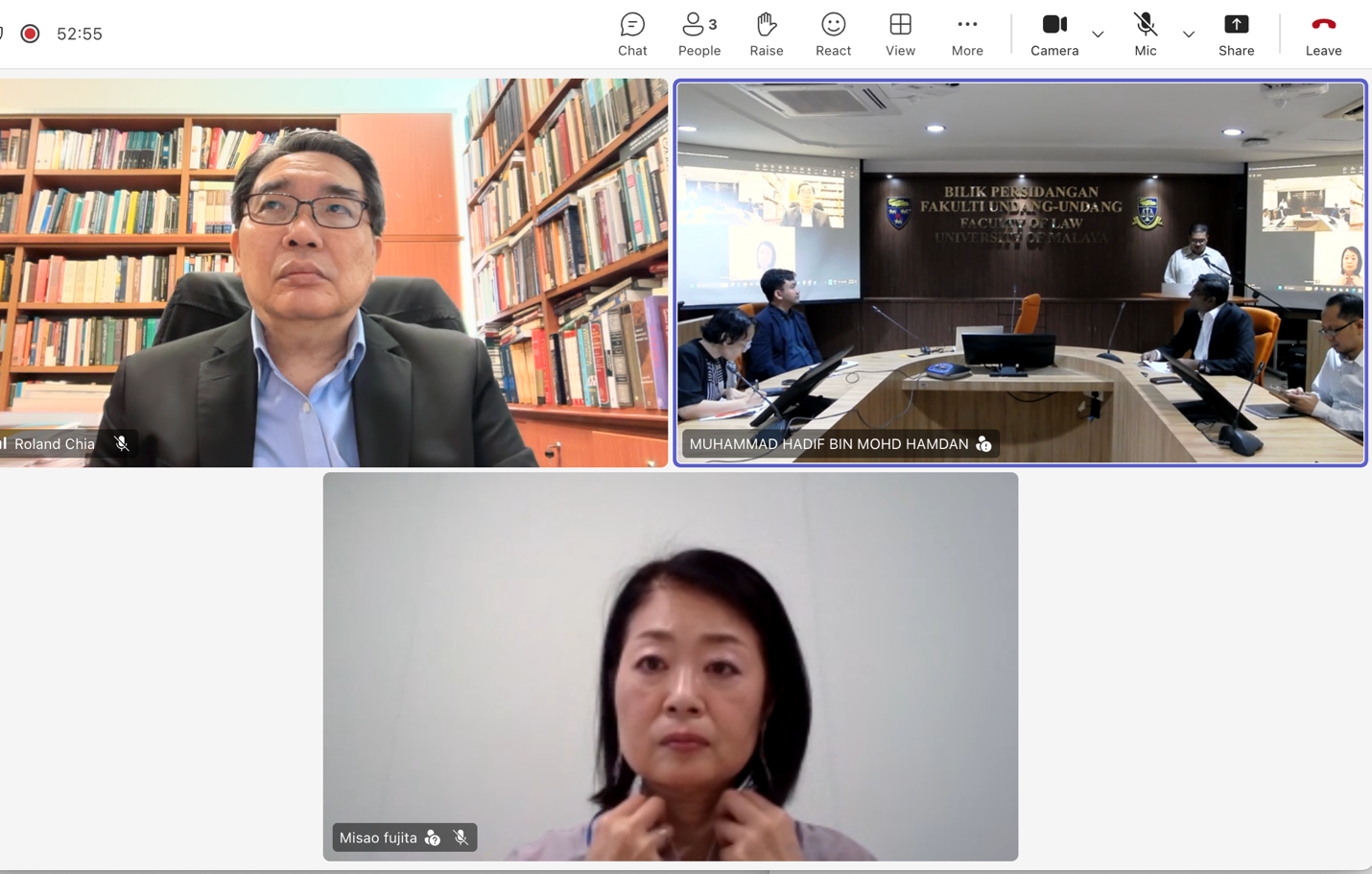
Dr Roland Chia spoke at a forum on chimeric organ research organised by the Faculty of Law, Universiti Malaya, on Thu 7 May 2026.
In his presentation, Dr Chia examined the ethical and theological implications of chimeric organ research from a Christian perspective. He began by acknowledging the severe global shortage of transplantable human organs and explained how advances in biotechnology, particularly the creation of human-animal chimeras using induced pluripotent stem cells (iPSCs), offer the possibility of growing human-compatible organs in animals. While Christianity generally supports scientific and biomedical research aimed at alleviating human suffering, he argued that scientific progress must always be subjected to theological and ethical scrutiny.
Central to the Christian understanding of humanity is the belief that human beings are uniquely created in the image of God and therefore possess inherent dignity from conception. Consequently, research that instrumentalises human embryos or blurs the distinction between humans and animals raises serious moral concerns. Dr Chia therefore supports the use of iPSCs instead of embryonic stem cells because they avoid the destruction of human embryos.
Dr Chia further explored the ethical dangers of creating human-animal chimeras, especially the possibility that animals could acquire human-like traits, consciousness, or an ambiguous moral status through the integration of human cells. Such outcomes, he argues, could violate the uniqueness and dignity of human beings.
The discussion also extended to animal ethics, stressing that animals, as creatures of God, possess intrinsic value and must not be treated merely as biological containers for human organs. Unlike conventional animal farming, chimeric organ research fundamentally alters the animal’s biological purpose or telos by redesigning it to serve human medical needs.
Dr Chia concludes that Christians can only cautiously support such research under strict conditions, including prohibiting the destruction of human embryos, preventing the development of human-like traits in animals, safeguarding human nature, and ensuring the humane treatment of animals. Although saving human lives is an important moral good, Dr Chia insists that it must not override fundamental ethical boundaries.
Other speakers included:
- Professor Tunku Kamarul Zaman Tunku Zainol Abidin, Department of Orthopedic Surgery, Faculty of Medicine, Universiti Malaya
- Professor Misao Fujita, Centre for iPS Cell Research and Application (CIRA) and the Institute for the Advanced Study of Human Biology (ASHBi), Kyoto University
- Dr Hasdy Haron, National Transplant Resource Centre
- Mr Rajesh Nagarajan, Messrs Raj & Sach
- Professor Irwan Mohd Subri, Fakulti Syariah dan Undang-Undang (FSU), Universiti Sains Islam Malaysia (USIM)
- Mr Thai Ming Yeow, World Fellowship of Buddhist Youth
